HAUNTING IMAGES ▪︎ Concept and curator: Pavle Banović
Exhibiting artists: Teodor Kopicl, Ivana Ivković, Karla Crnčević, Behshad Tajammol, Yasmina Haddad, Ivanja Todorović, Sara Bezovšek
Haunting Images starts from the question of what makes photography potentially dangerous today. At a time when images are mass-produced, distributed and consumed, photography is no longer merely a record of reality, but a social situation involving a series of active agents. It documents, exposes, controls, grants or takes away power, confirms or takes away someone’s status as a subject.
Perhaps this is why images today should not be understood only as dangerous, but also as haunting. They follow events, people and social changes, recording what might otherwise be forgotten, resurfacing from archives and appearing in new contexts. In the digital realm, they continue to circulate, changing owners and meanings, entering algorithms, databases and surveillance systems. But they can also themselves become objects of our haunting: we search for them, appropriate them, collect them and reconnect them. Haunting is thus not merely a question of surveillance, but also of an image’s capacity to persist, to continue to act, and to return as a document, piece of evidence, testimony or unwanted trace.
The exhibition therefore approaches photography as a social situation, through the relationship between contemporary images and photographic archives. If images today are digital, fabricated, algorithmic, hidden, stolen, poor, chronically online, politicised, burned, perverse, violent and dangerous, inseparable from contemporary forms of violence and control, what do archives tell us about their role—and which images of the present will we one day consider worth preserving?
Haunting Images also raises questions about the power of photography: can images become evidence, testimony, a means of resistance, but also an instrument of control? And what role do cultural institutions play at a time when visual documentation is omnipresent, while systems of oppression and surveillance continue to persist?
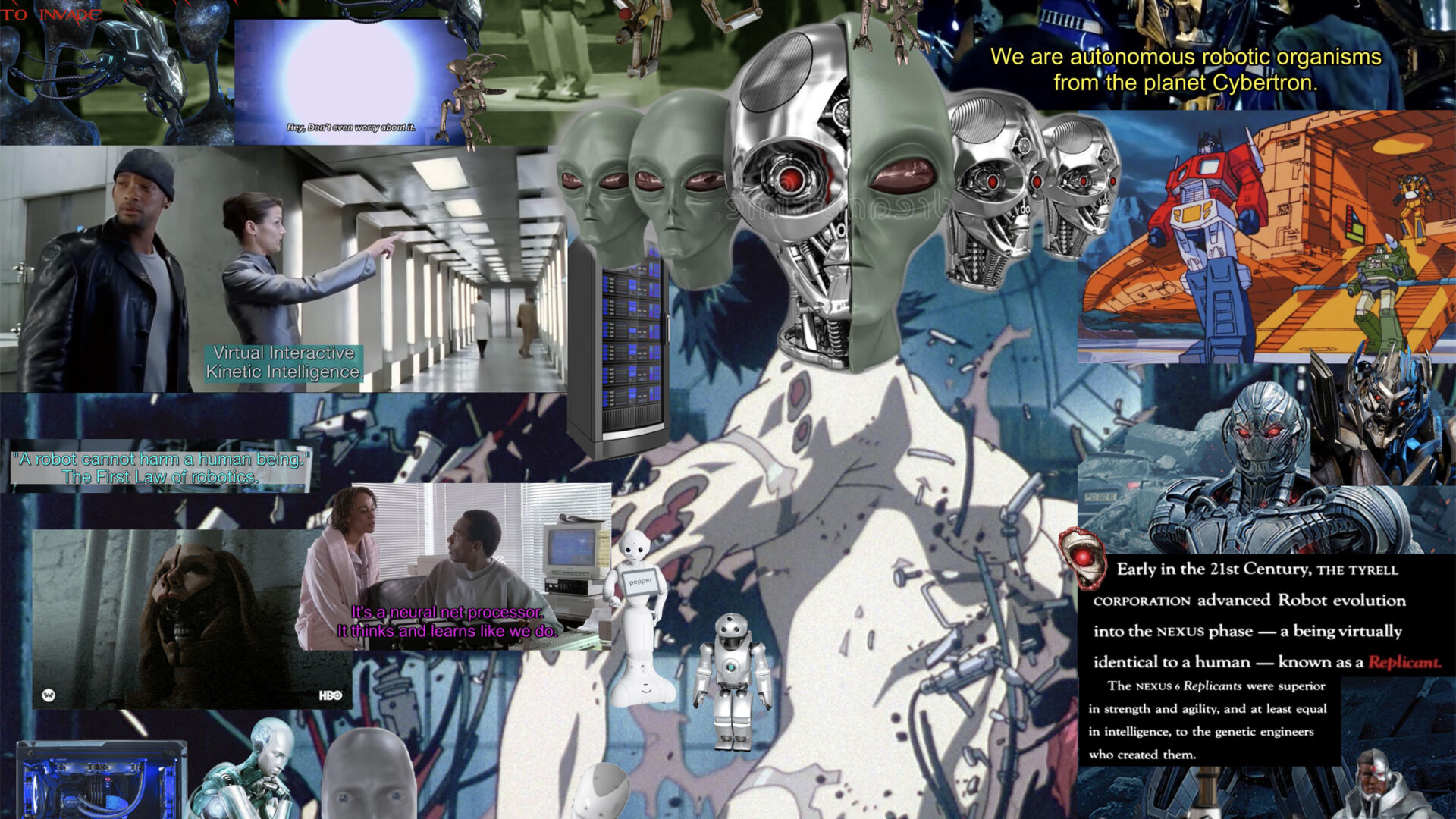
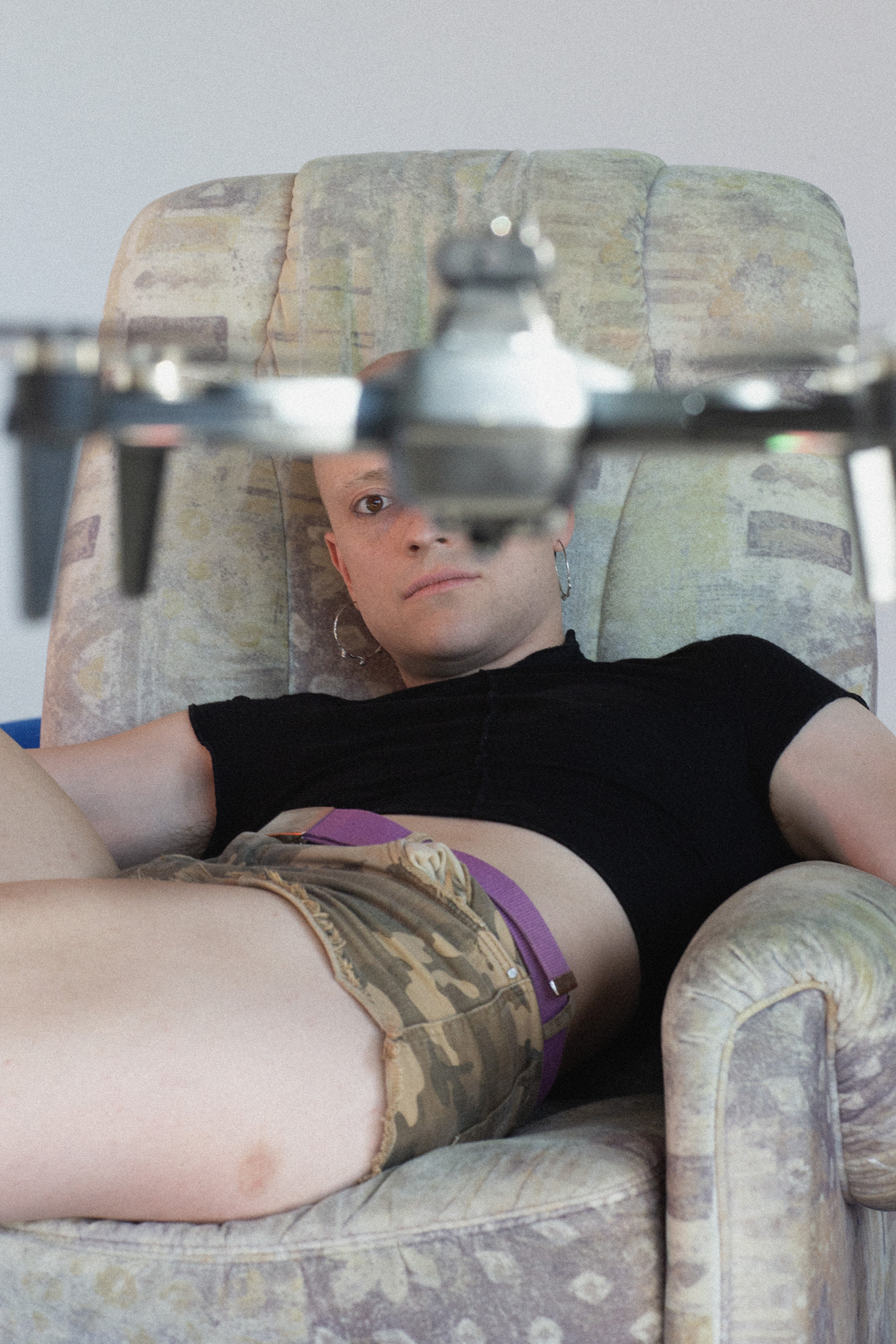
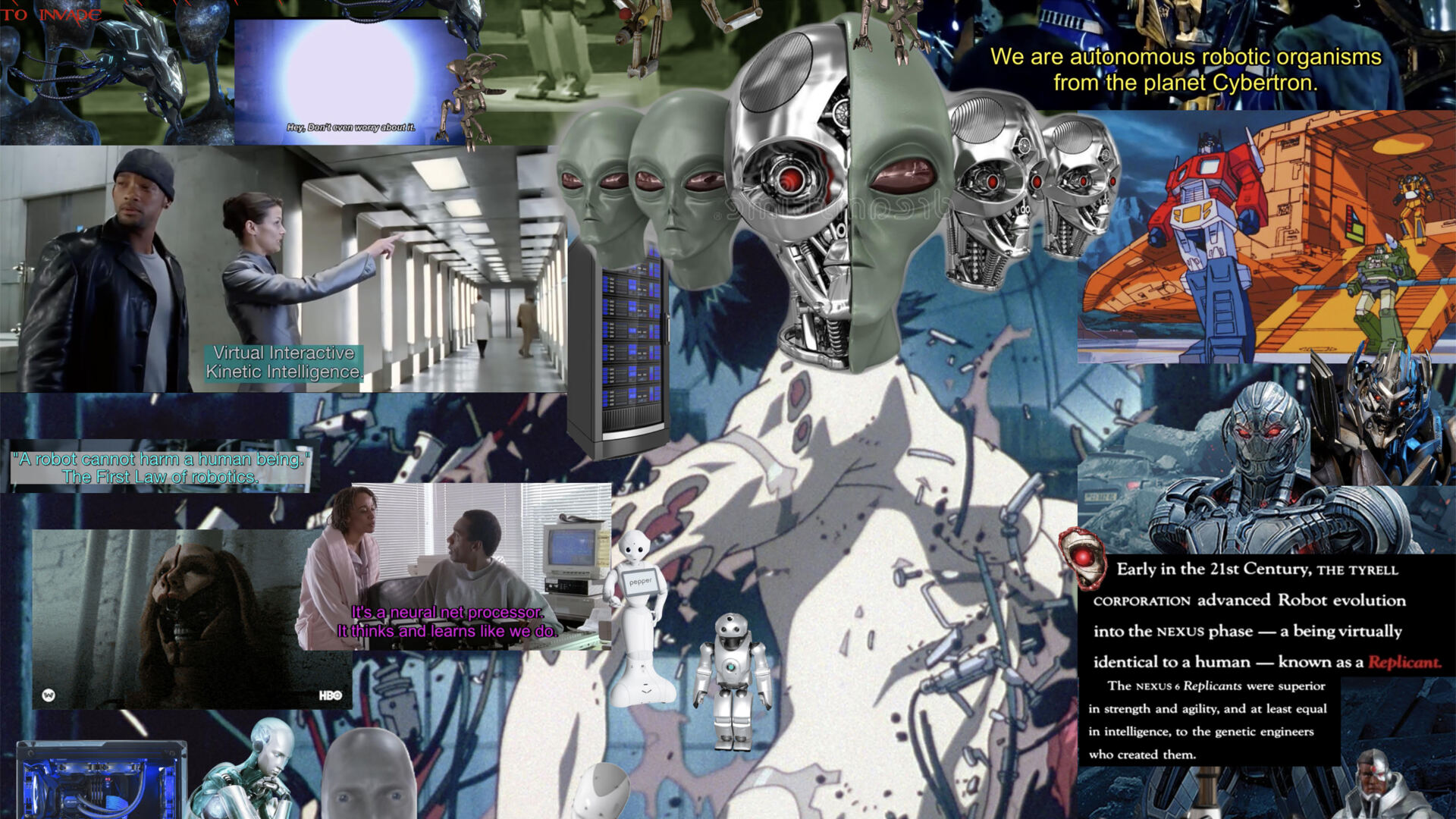
Sara Bezovšek is a new media artist working across internet art, experimental film, and graphic design. Her practice reappropriates online and pop-cultural materials, using dense visual languages to explore the collective imagination and critique saturated digital media landscapes. Based in Ljubljana, she holds an MFA from the University of Ljubljana. Her work has been exhibited internationally, including at Fotomuseum Winterthur, C/O Berlin, Zachęta, and Fotografia Europea. She received the Grand Prix at FeKK in 2021 and the Vesna Award for Best Experimental Film in 2022.
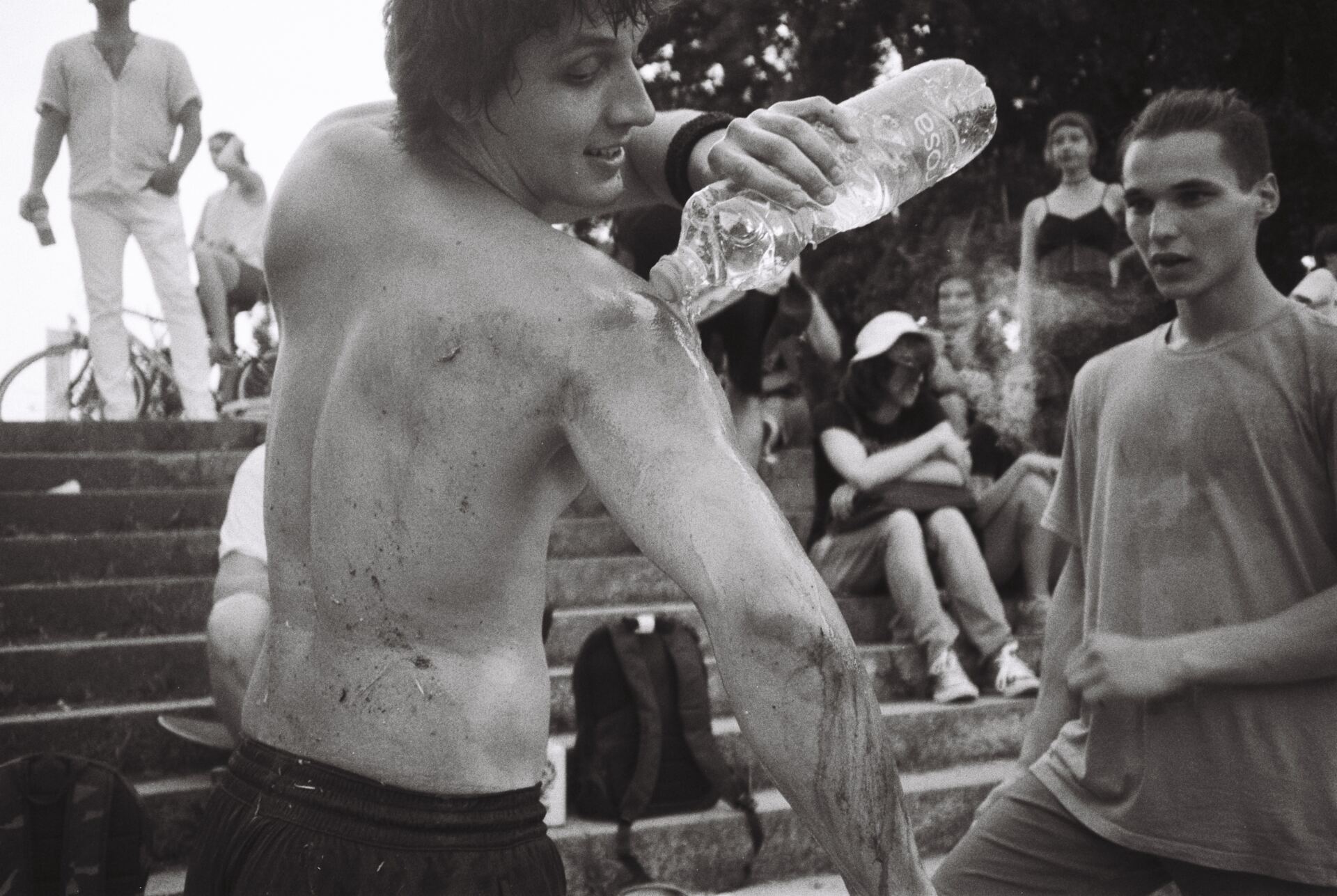
Teodor Kopicl is a photographer, graphic designer, and visual artist based in Serbia. He studied engineering and graphic design at the Faculty of Technical Sciences and has been working with photography since 2018 and professionally since 2020. His practice focuses primarily on documentary photography and youth culture, with subjects ranging from clubs and music festivals to events and everyday life within alternative youth scenes.
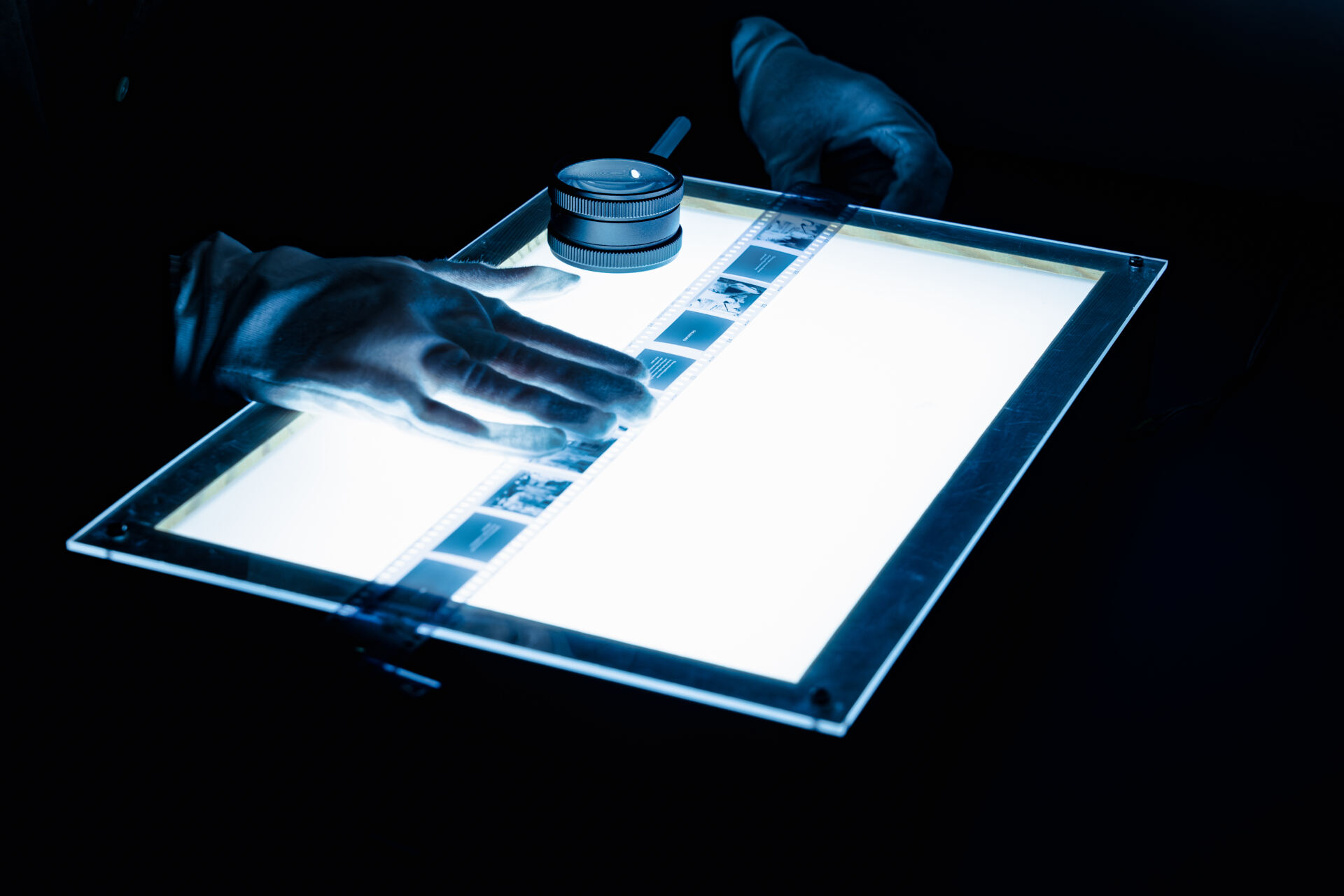
Karla Crnčević is a dramaturge and film worker whose practice explores the politics of images and sound across different formats and working conditions. Her video and film works have been exhibited and awarded internationally. She holds an MA in Dramaturgy from the Academy of Dramatic Art in Zagreb and an MA in Filmmaking from EQZE in San Sebastián. She is also one of the founders of Kino Unseen; an initiative focused on the revitalisation of cinema spaces.
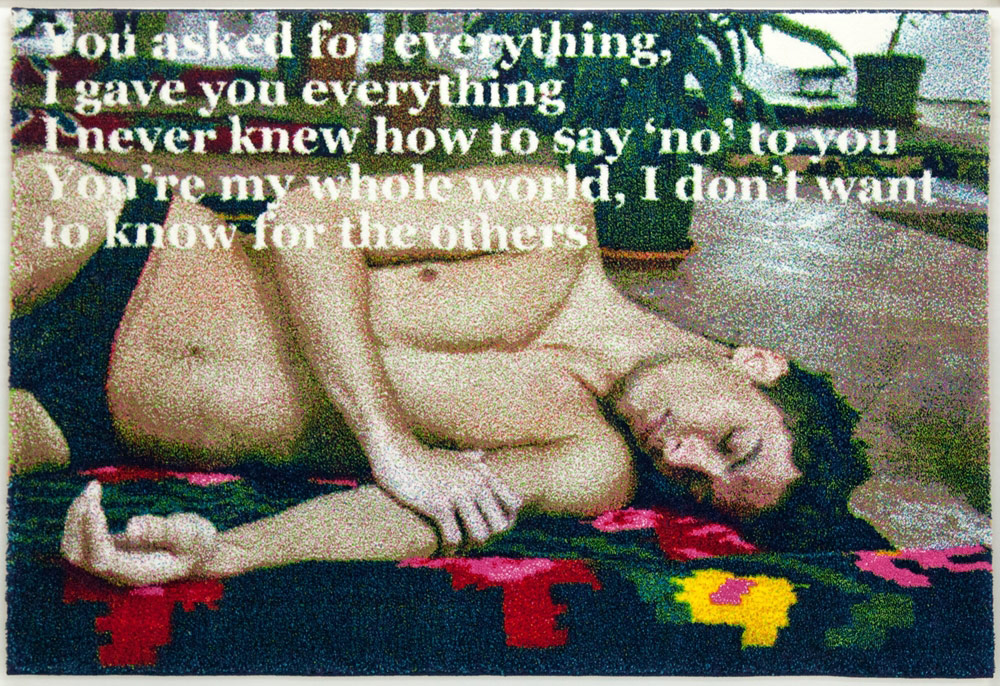
Behshad Tajammol is a multidisciplinary artist whose practice examines the intersections of sociopolitical structures, language, memory, and lived realities. Focusing particularly on the political dimensions of language, voice, and memory, her work investigates processes of personal and collective memory formation and their role in shaping historical consciousness. She studied sculpture at Tehran Art University and completed the Meisterschüler*innen programme at the University of the Arts Bremen in 2023.
Ivanja Todorović is a visual artist studying New Media at the Faculty of Fine Arts in Belgrade. Working across performance, installation, video, photography, and poetry, his practice is best described as post-media. His work often engages public space, marginalised communities, and systems of control, exploring the political potential of art. He received the Telekom Award in 2023 and was actively involved in the Oslobođeni SKC programme during the 2024/25 anti-regime protests.
Ivana Ivković is a visual artist working across drawing, performance, and hybrid post-media practices. She holds a master’s degree in drawing and a doctorate in performance art from the Faculty of Fine Arts in Belgrade. Her practice explores gender, identity, stereotypes, and socio-political structures, often using the male body as a performative medium. Her work has been exhibited internationally, including at the Humboldt Forum, the Museums of Contemporary Art in Belgrade and Athens, and EIKON Schauraum in Vienna. She is represented by Eugster II Belgrade and Klemm Kojić and has a years-long collaboration with IFA – Institut für Auslandsbeziehungen (Germany).
Yasmina Haddad is an artist living in Vienna. She is the co-founder of the collective/space school and teaches in the Department of Applied Photography at the University of Applied Arts. Yasmina’s practice is rooted in photography and often extends into various media such as sound, sculpture, and stage design. The work revolves around the history of photography and its imperial origins, the portrait, and the act of portraiture. Questioning postmodern malaises, it points at various forms of cultural expression, exploring how these are inextricably linked and how their mutual influence manifests through aesthetics and surface.
—————————–
Pavle Banović: Haunting Images
—————————–
The exhibition is supported by the Austrian Cultural Forum Belgrade.